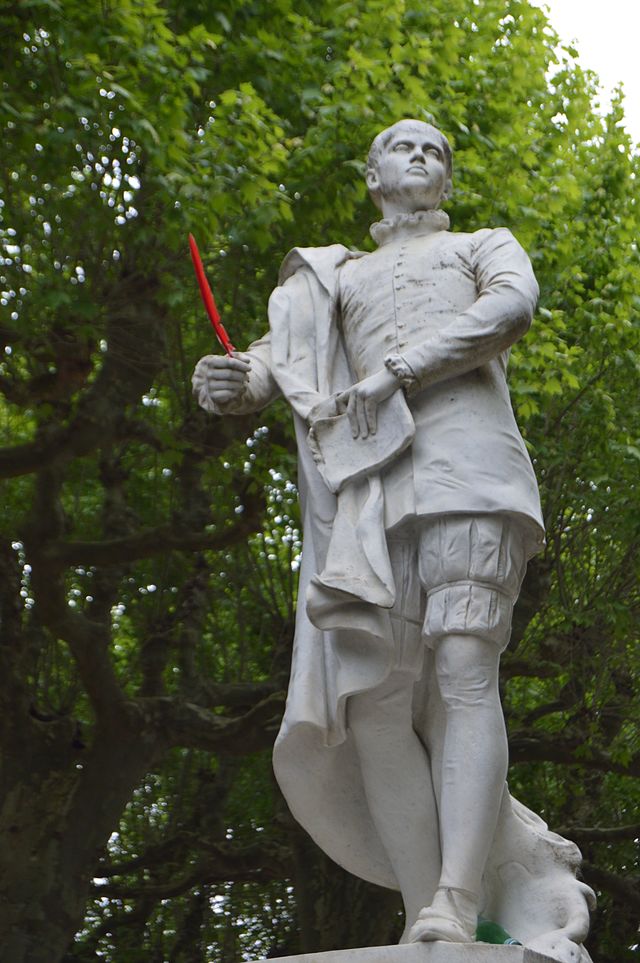
Étienne de La Boétie is one of those rare thinkers whose influence comes not from a lifetime of writing, but from a single, unsettling idea delivered with the calm precision of a Renaissance humanist. Born in 1530 and dead by 32, he left behind a political fragment, The Discourse of Voluntary Servitude, that reads less like a treatise and more like a whispered accusation aimed at every society that has ever bowed to power.
La Boétie’s central insight is that tyrants do not rule because they are strong, but they rule because people obey.
Étienne de La Boétie on facing corrupt rulers speaks to a universal condition: the strange ease with which societies trade autonomy for comfort, routine, or the illusion of stability.
“Be resolute to serve no more, and you are at once free. I do not ask you to push him, to topple him over, but only to cease sustaining, and you will see him, as a great colossus whose pedestal we’ve shattered, fall of his own weight and break (“Soyez resolus a nes plus servir, et vous voila libres. Je ne vous demande pas de le pousser, de l’ ebranler, maus seulement de ne plus le soutenir, et vous le verrez, tel un grand colosse dont on a brise la base, fondre sous son poids et se rompre.”).”
ÉTIENNE DE LA BOÉTIE, DISCOURSE ON VOLUNTARY SERVITUDE. (THE POLITICS OF DISOBEDIENCE ON LA BOÉTIE’S THOUGHT ON LIBERTY AND TYRANNY)
 The Minervan Republic