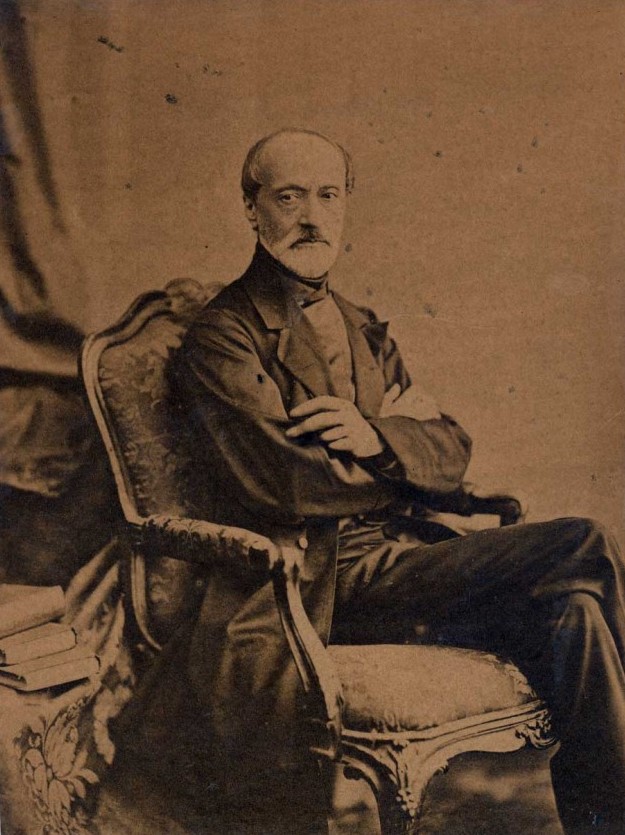
We live in an age that has almost completely forgotten what freedom once required of the human soul. Politics is now treated as a contest over material conditions, institutional design, or identity claims, rather than as a moral and spiritual apprenticeship. Socialism promises liberation through the rearrangement of property and power. Secular liberalism offers rights without duties and procedures without character. Both assume that the decisive work happens outside the person. The older republican tradition insisted on the opposite: that no just order can endure unless citizens first become capable of self-government in the inner life. That tradition has been displaced, and the alternatives that replaced it have not proven their case, producing atomized individuals, exhausted institutions, and a politics that can only manage symptoms while the capacity for civic virtue continues to erode.
Giuseppe Mazzini saw this danger with unusual clarity. His Risorgimento ideal was not a program of structural engineering but a demand that the nation become a school of moral and civic responsibility. Against the materialist anthropology that would later dominate both Marxist and purely secular politics, he insisted that freedom is first an interior achievement ordered to a divine law of duty. The conflict was never merely tactical, but anthropological. The quiet victory of the materialist side is one of the central reasons the republican inheritance itself has grown thin in our time, and it is crucial to bring to focus the living crisis of the republican tradition and the dominance of materialist alternatives.

Subscribe to continue reading
Subscribe to get access to the rest of this post and other subscriber-only content.