Counter-revolutionary doctrines of the State and the Metaphysics of Hierarchy that treat the nation as an organic whole under a single leader, challenging liberal ideals and authority, and the end of contest.
THE CURRENT THAT REFUSED 1789 AND THEN REFUSED THE REPUBLIC as such begins with the claim that political authority is not the product of human will. Joseph de Maistre argues that sovereignty must be superior to the wills it governs and therefore cannot be their artifact. Constitutions that men write fail because they lack the sacred and historical character that alone can bind. Throne and altar together supply the only durable order. The executioner is the negative guardian without whom subordination collapses (Maistre in Considerations on France and St. Petersburg Dialogues). Later movements repeat the refusal in new forms. The Legionary movement treats the nation as an organic and spiritual body that parliamentary contest has diseased, and it offers the leader and the sacrificial elite as the restorative. Mosley’s British Union proposes a corporate state that ends party conflict and places economic life under national direction. Hitler’s regime sacralizes the racial nation and the leader, abolishing the institutional conditions of contest. The organic state in these versions is the explicit inversion of mixed government: unity under a single will replaces the structured rivalry of orders.
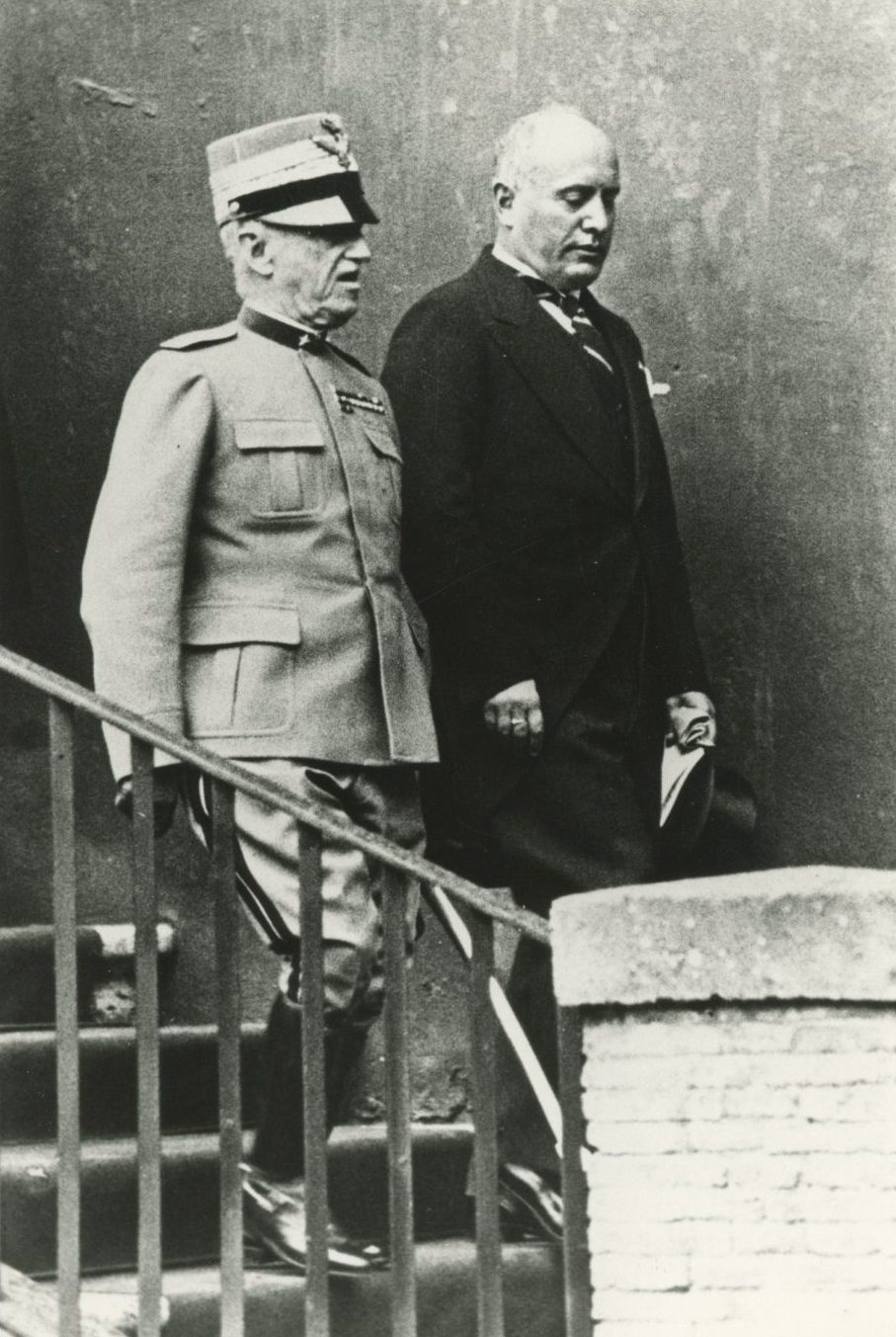
Fascism and related counter-revolutionary doctrines treat the nation as an organic whole whose unity is expressed by the state and embodied in a single leader. Parliamentary contest, liberal rights, and the separation of powers are rejected as sources of division. The individual exists only within and through the state. Corporative or party institutions organize economic and social life under hierarchical direction rather than as checks upon public power. Mussolini’s “Doctrine of Fascism” (1932) states the inversion directly: liberalism denied the state in the name of the individual; and fascism reasserts the state as the real essence of the individual. The leader’s will is the nation’s will. Criticism becomes treason to the organic body (Mussolini, The Doctrine of Fascism, 1932). Parallel formulations appear in the Legionary movement, in Mosley’s corporate proposals, and in the racial sacralization of the nation under Hitler. In each case the institutional devices of mixed government are abolished point by point.
Italian fascism is a case in which a metaphysics and cosmology justified authoritarian political form, and therefore when writing on this topic, we must define the metaphysics and the political form together. A metaphysics of hierarchy, of sacred violence, or of racial spirit is politically relevant when it is used to justify the abolition of contest, the permanence of command, and the identification of dissent with spiritual or biological treason. The Counter-Revolution is the republican tradition’s external other because it denies that a people can or should rule and be ruled in turn under laws that the people themselves have some part in making. It offers instead an order whose legitimacy precedes and survives any constitutional deliberation.
Where the republican tradition divides authority so that each element restrains the others, these regimes concentrate authority so that no organized contest remains. Where the tradition treats conflict between orders as potentially protective, they treat it as a disease. We can connect existing studies of particular leaders or movements to this institutional core rather than standing as separate portraits. So, the Counter-Revolution becomes a current when it is analyzed as the systematic replacement of structured rivalry under law by unity under a permanent leader. The metaphysics of hierarchy or of racial spirit is politically relevant precisely when it is used to justify that replacement.